Do you look for 'research paper on flexible pavement design'? You can find all of the material on this webpage.
Table of contents
- Research paper on flexible pavement design in 2021
- Iitpave flexible pavement design
- Aashto flexible pavement design example pdf
- Design process for flexible pavements
- Research paper on estimation of flexible pavement
- Case study on flexible pavements
- Project on pavement design
- Aashto pavement design guide 2002 pdf
Research paper on flexible pavement design in 2021
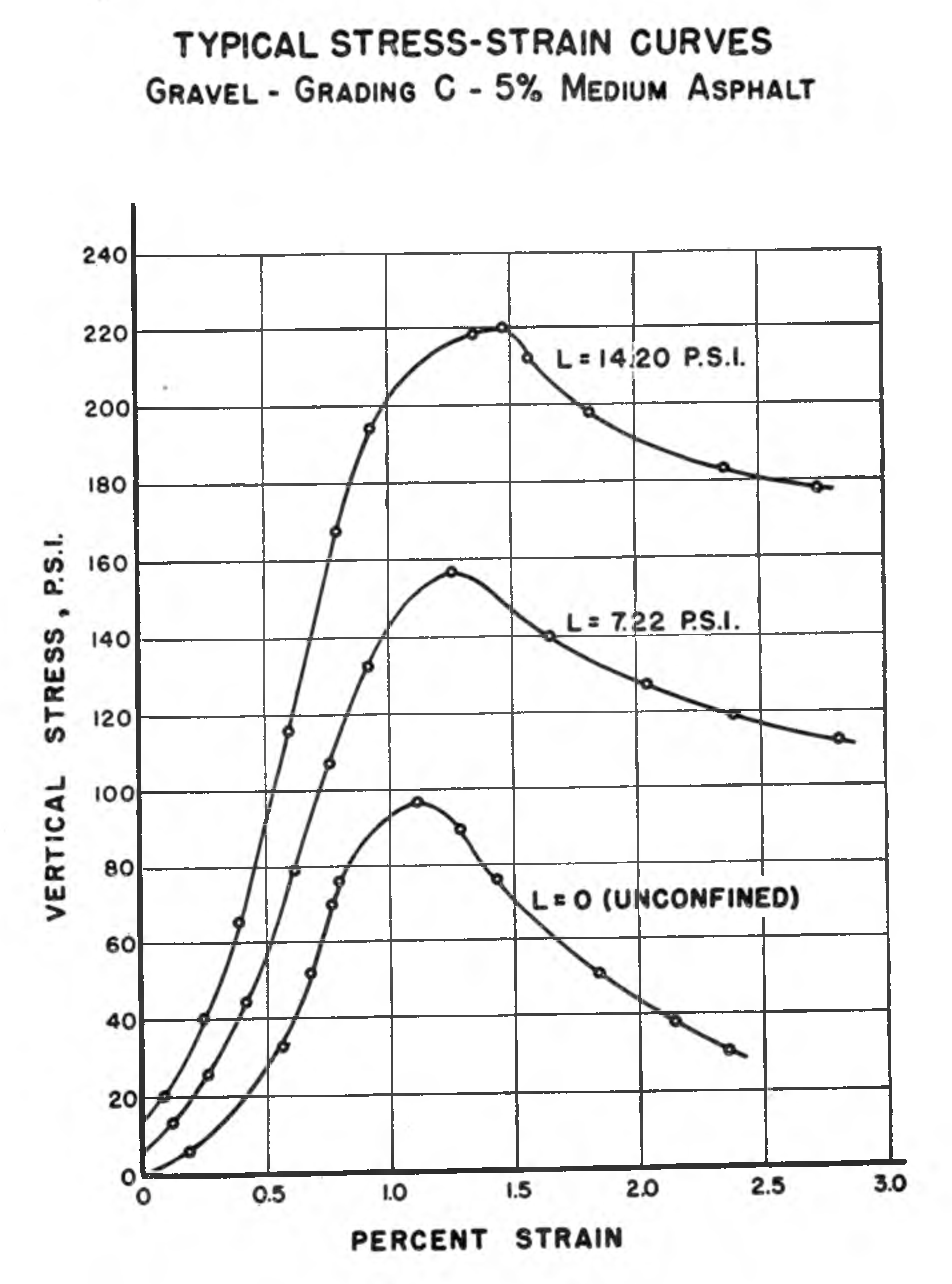 This image shows research paper on flexible pavement design.
Iitpave flexible pavement design
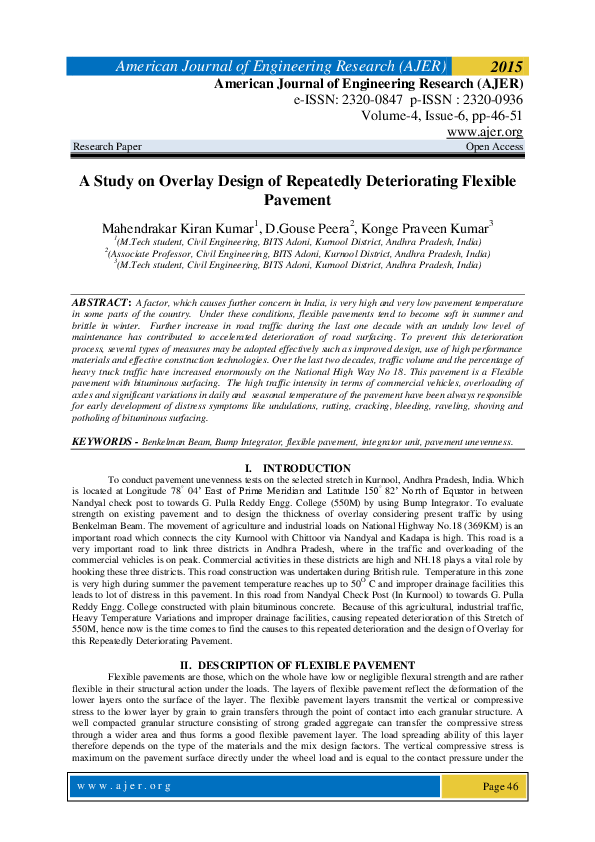 This picture demonstrates Iitpave flexible pavement design.
Aashto flexible pavement design example pdf
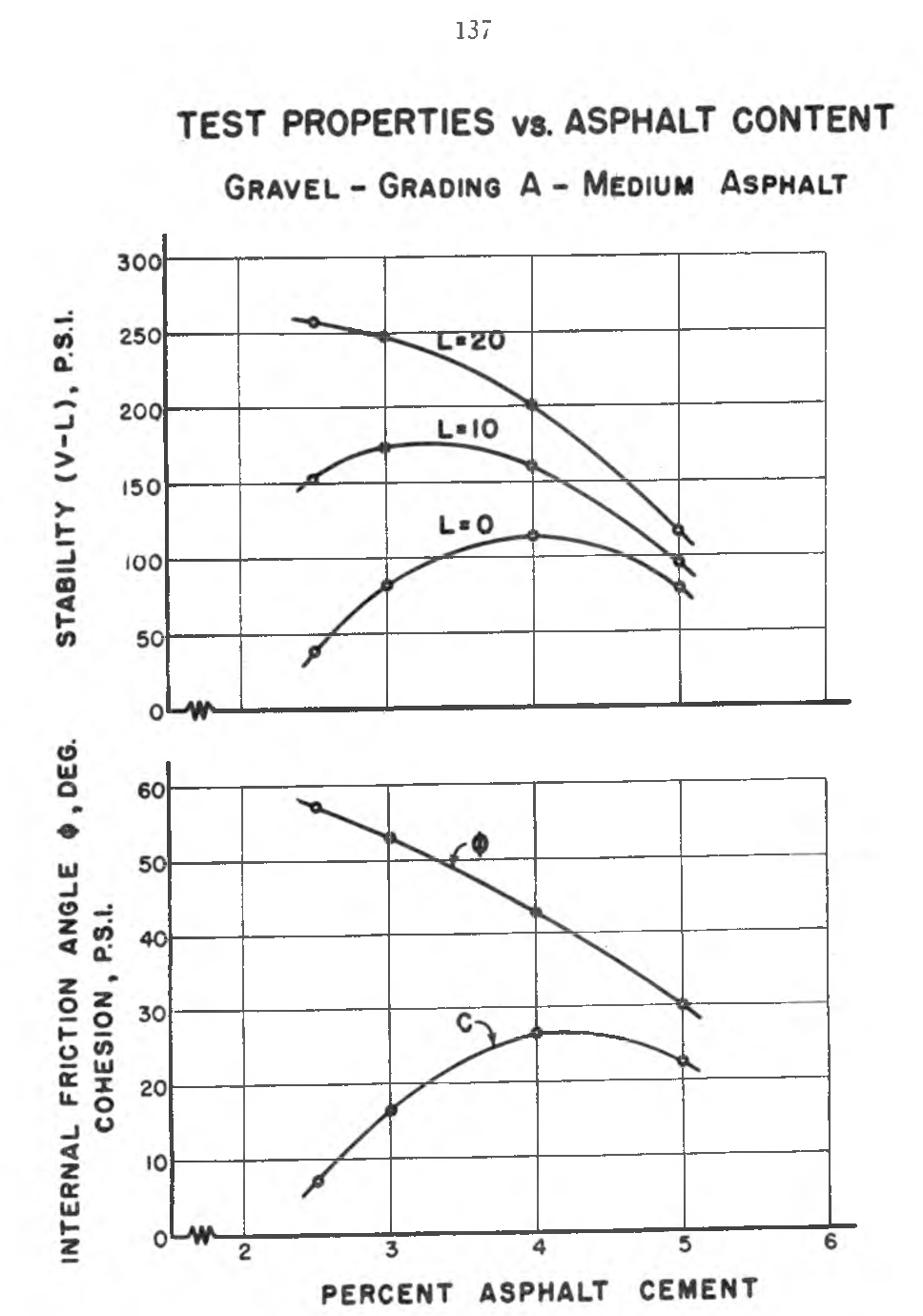 This image demonstrates Aashto flexible pavement design example pdf.
Design process for flexible pavements
 This image demonstrates Design process for flexible pavements.
Research paper on estimation of flexible pavement
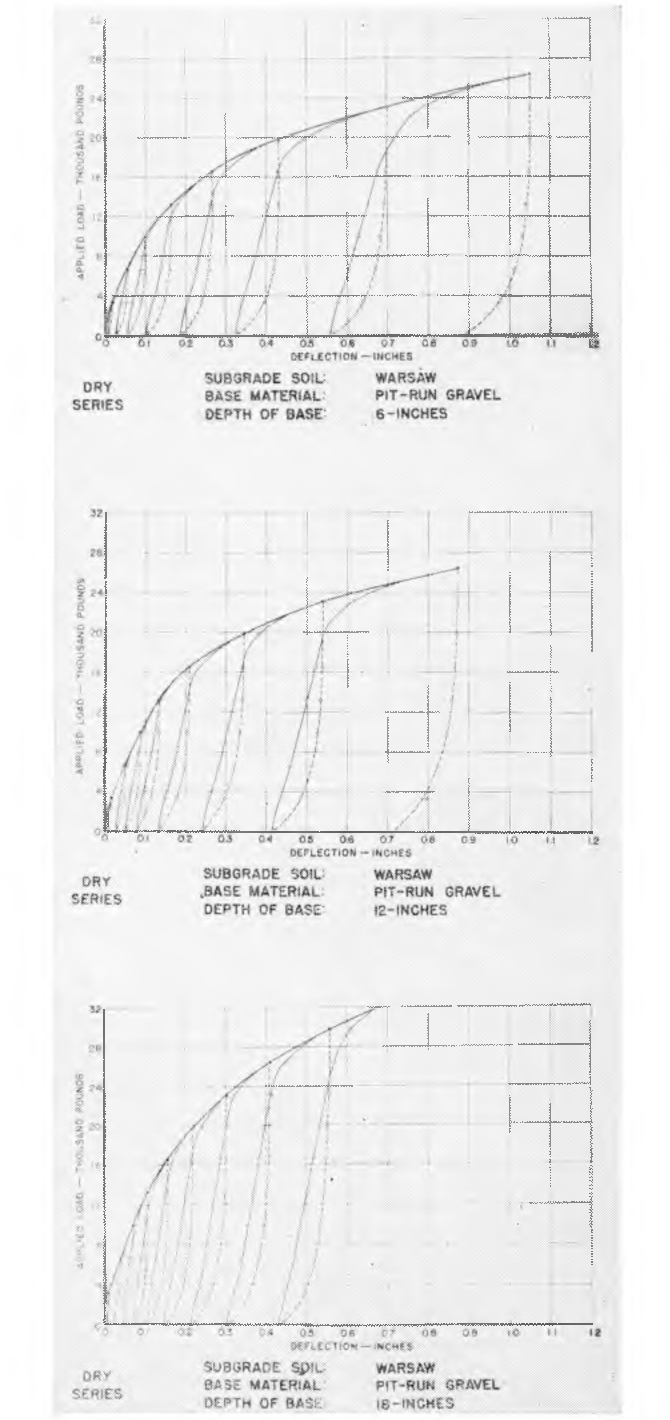 This picture illustrates Research paper on estimation of flexible pavement.
Case study on flexible pavements
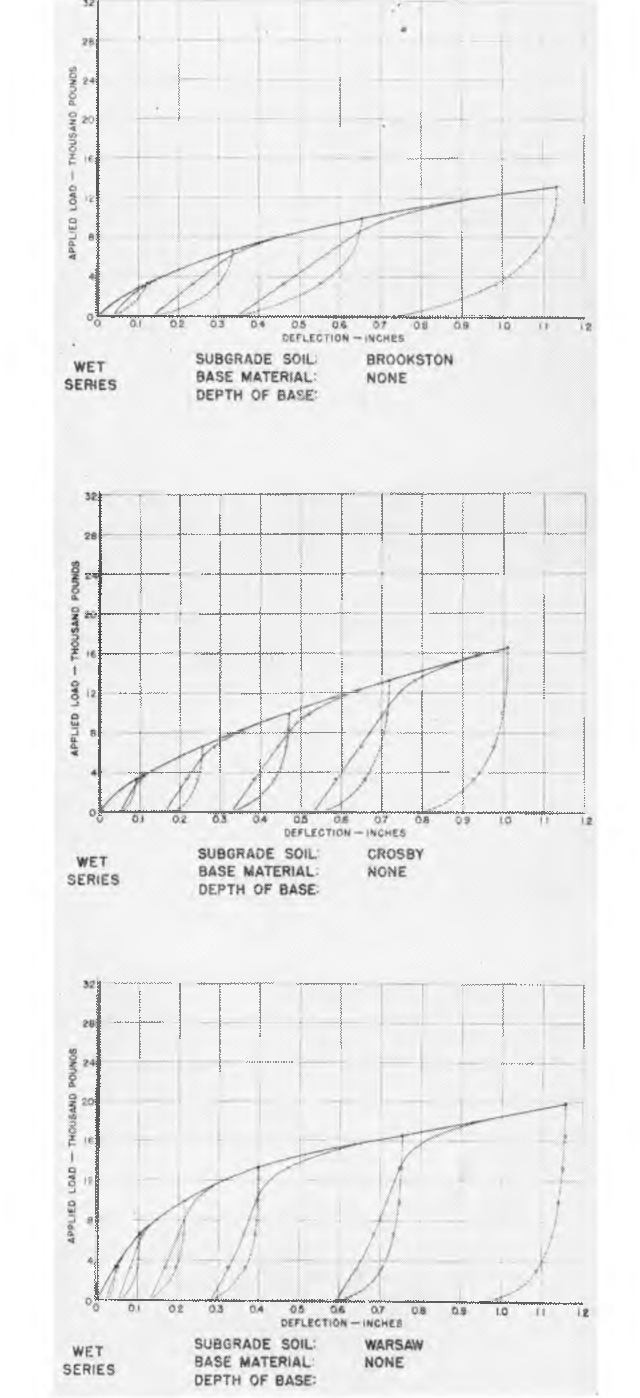 This picture shows Case study on flexible pavements.
Project on pavement design
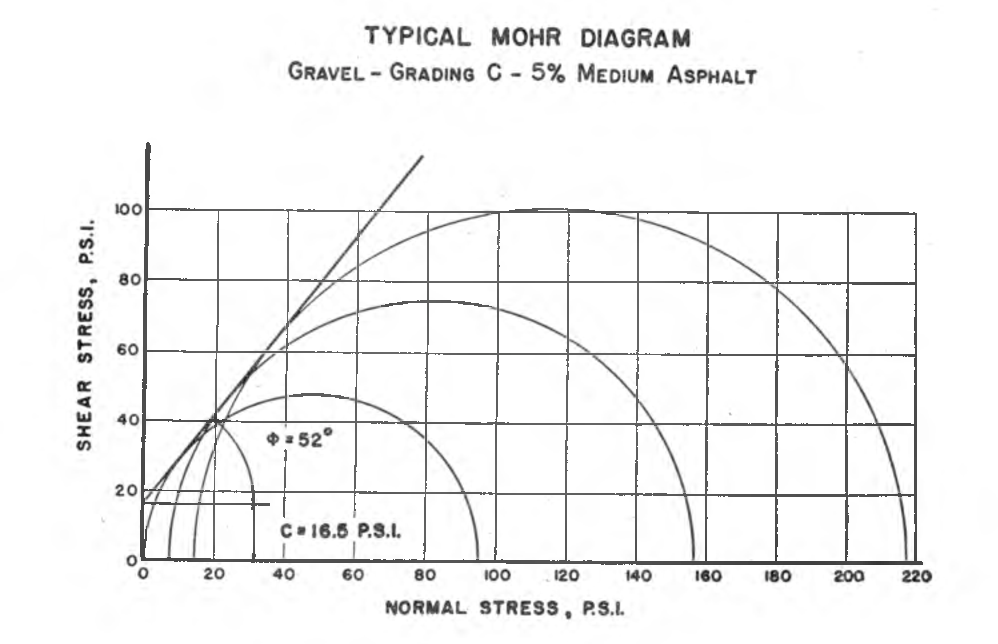 This image illustrates Project on pavement design.
Aashto pavement design guide 2002 pdf
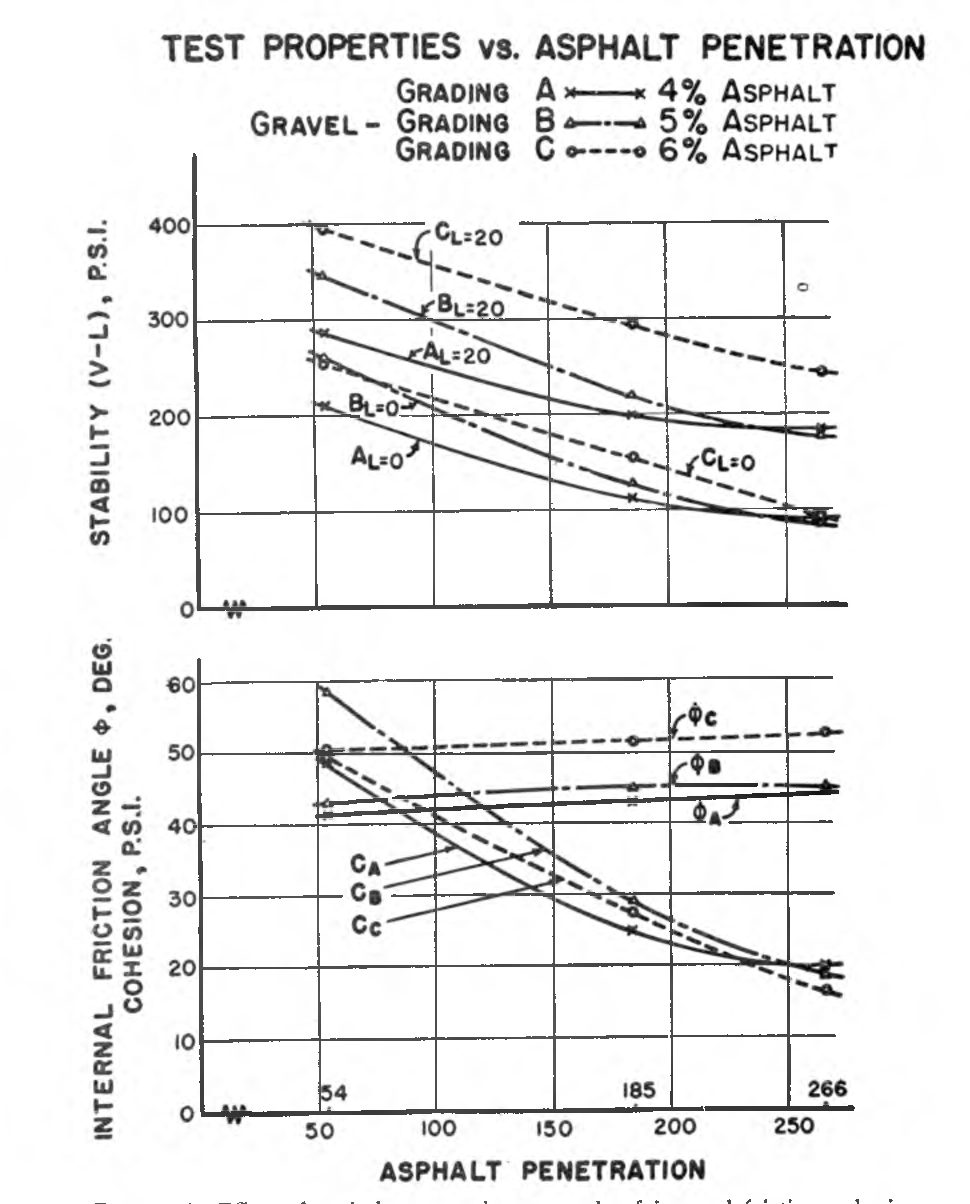 This picture representes Aashto pavement design guide 2002 pdf.
Is the science of pavement design relatively new?
The science of pavement design is relatively new. In India, previously road crust was designed on some rational data but more on the experience of the road engineer.
Which is the best definition of rigid pavement?
Rigid pavements are those which possess note worthy flexural strength and flexural rigidity. The profound development in the automobile technology has resulted heavy moving loads on the existing highways for optimization of the transport cost.
What are the different types of pavements?
TYPES OF PAVEMENTS: Based on the structural behavior, pavements are generally classified into the following three categories: 1. Flexible pavement 2. Rigid pavement 3. Semi-rigid pavement. 1.2.1.
How are flexible pavements designed for existing roads?
On the existing alignment of the road, soil samples are collected for the determination of soil characteristics like consistency limits, sieve analysis, C.B.R. values etc.., Based on this the thickness of the pavement (flexible) is designed. The alignment of the road is also designed and fixed by surveying and leveling.
Last Update: Oct 2021
Leave a reply
Comments
Tavi
22.10.2021 02:20The study concludes that the cost effectivity ratio from the two design methods shows that the lowest cost-effectiveness ratio using al-qadi's blueprint method is 1.